Pigeon Control: How to Get Rid of Pigeons
WHY ARE PIGEONS SO COMMON?
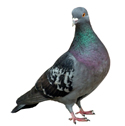
Pigeons are a common sight in cities around the world. It’s easy to identify these gray-colored birds from the ring of iridescent pink and green feathers around their necks. The average life span of pigeons is three to five years in the wild, but their history of living around humans goes back much farther. Historical evidence suggests that pigeons were domesticated as early as 4500 B.C., likely making them the first birds humans tamed.
Thousands of years of domestication have made pigeons very comfortable living around humans. Pigeons also like cities because they are attracted to the tall buildings that resemble the cliffs of their natural habitat. Urban areas also provide an easily available source of food, either from trash or from people who like to feed birds.
WHY PIGEON CONTROL IS IMPORTANT
Because pigeons are often attracted to areas with high human activity, they may create challenges in urban and commercial spaces. Pigeons can contribute to a variety of issues, including:
- Pigeon feces can contain diseases, such as cryptococcosis, histoplasmosis and psittacosis that can make people sick.
- They can carry other pests, such as fleas, ticks, lice and mites that can carry other diseases or make people sick.
- Pigeon droppings can also become a liability risk. The droppings can make surfaces slick and lead to slip and fall incidents.
- Pigeons naturally like to build their nests in small niches and crevices of cliffs. In an urban environment, this can translate into pigeons building nests in air vents and chimneys, which can become a fire hazard.
- It can cost tens of thousands of dollars to safely clean up excess pigeon feces.
- Contamination from bird droppings can result in government citations and fines that can shut down businesses.
- Pigeon droppings are highly acidic and have a corrosive effect on buildings and other structures. In extreme cases, they have even been known to eat through steel and cause structural collapse.
Thankfully, here at Bird-X we offer a variety of non-lethal pigeon control solutions designed to help manage pigeon activity and encourage birds to avoid unwanted areas.
PHYSICAL PIGEON REPELLENTS
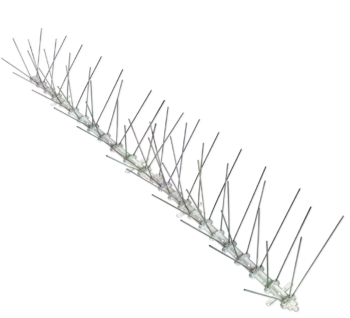
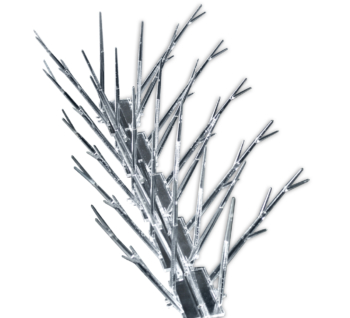
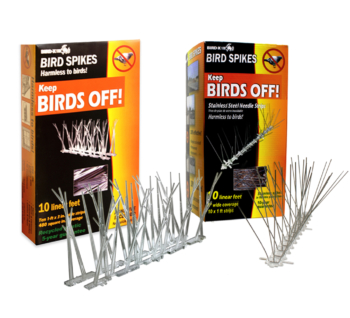
Bird spikes are a cost-effective pigeon deterrent solution designed to help prevent pigeons from landing or nesting on ledges, balconies overhangs, and other surfaces.
Bird spikes are a low-maintenance bird deterrent solution designed to help prevent pest birds from landing, roosting, and nesting on common problem areas. Install bird control spikes on surfaces such as rooftop edges, ledges, window sills, chimneys, and other areas where pest bird activity occurs. Bird spike strips can help reduce unwanted bird activity while helping protect properties from potential damage and maintenance concerns.
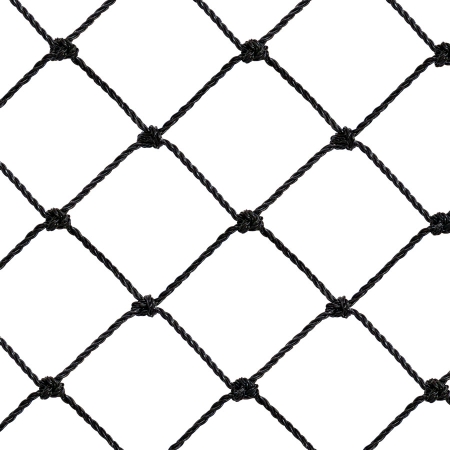
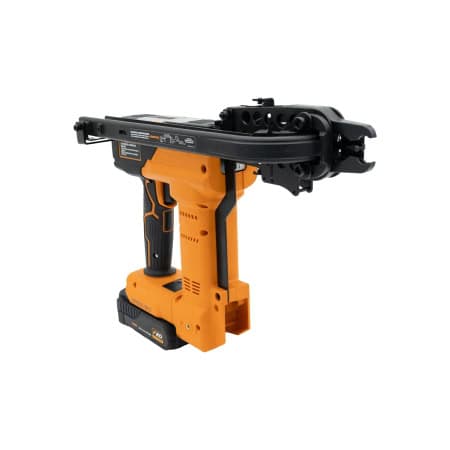
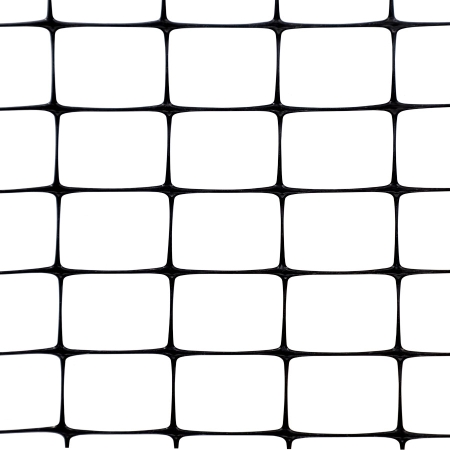
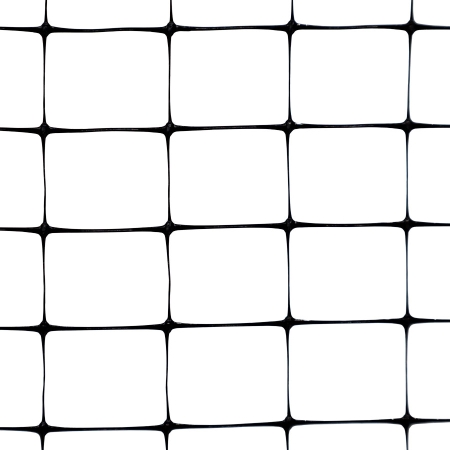
Bird netting helps prevent pigeons from accessing protected outdoor areas and can be used as part of a pigeon control strategy when properly installed. Available in a variety of sizes and thicknesses, Bird-X netting solutions can be selected to meet the needs of different locations. Bird netting also provides a discreet approach to pigeon management, as it is designed to blend into the surrounding area from a distance.
Bird netting is available in many sizes and thicknesses to meet the needs of any establishment. Professional bird netting can help prevent pest birds from accessing protected areas when installed correctly and provides a discreet bird control solution that is difficult to see from a distance.
Pigeon deterrent gels and liquid bird repellents are low-profile bird control options designed to help discourage pest birds from landing on structures and treated surfaces.
ELECTRONIC PIGEON REPELLENT
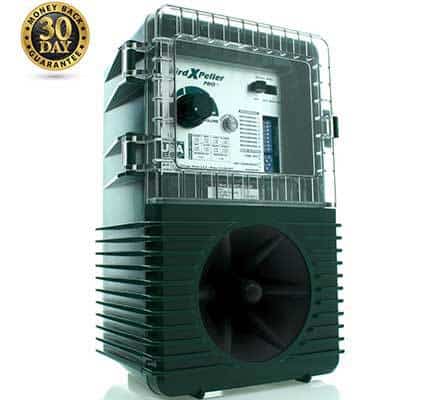
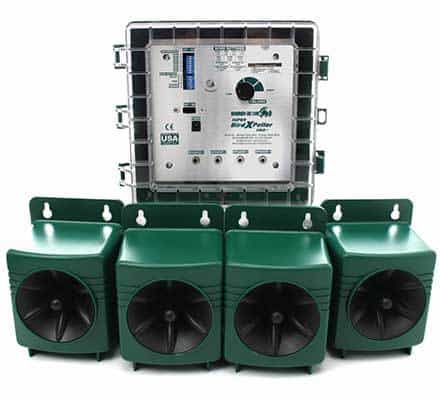
Pigeons are often attracted to large, open outdoor areas, such as parks and plazas, where discarded food and waste may provide potential food sources. Along with other bird control methods, maintaining clean areas can help reduce factors that may attract pigeons. Sonic bird repellers can be used in open outdoor spaces to help discourage pigeon activity by using recorded bird distress calls and predator sounds.
Ultrasonic bird repellers are best used for large, enclosed and semi-enclosed areas, such as loading docks, warehouses, airplane hangars and stadiums. These pigeon deterrent devices operate at frequencies that are minimally audible or inaudible to humans while designed to help discourage pest bird activity.
CLEAN UP BEFORE PRODUCT INSTALLATION
Before installing pigeon control products, it is recommended to clean any existing droppings from the area. A clean surface can help ensure proper installation for products such as bird spikes and allows for better evaluation of bird control efforts. Removing existing droppings and residue may also help reduce factors that can attract birds back to the same location. Monitoring the area after installation can help determine whether additional adjustments or bird control solutions may be needed.
HOW TO SAFELY CLEAN UP PIGEON DROPPINGS
Below are a few tips on how to safely clean up pigeon droppings:
- Prevent the inhalation of droppings by using a breathing or filter mask, especially if it is old and dried out or if you have any type of respiratory condition.
- Prevent skin contact by wearing latex or rubber gloves, closed-toe shoes, full-length pants and a long sleeve shirt.
- If possible, wet down the affected areas with water before cleaning to prevent creating dust.
- Use a scraper or other similar tool to remove as much excess feces as possible before further cleaning.
- Use a disinfectant to scrub away any remaining fecal material or staining.
- Either thoroughly disinfect or get rid of cleaning tools and other items that may have come in contact with the droppings.
- Be cautious when washing affected areas. Make sure that it is draining off properly and not just pooling in another area.
- For larger amounts of droppings, hiring a specialist cleaning service may be the best option to ensure a thorough and safe cleanup process.